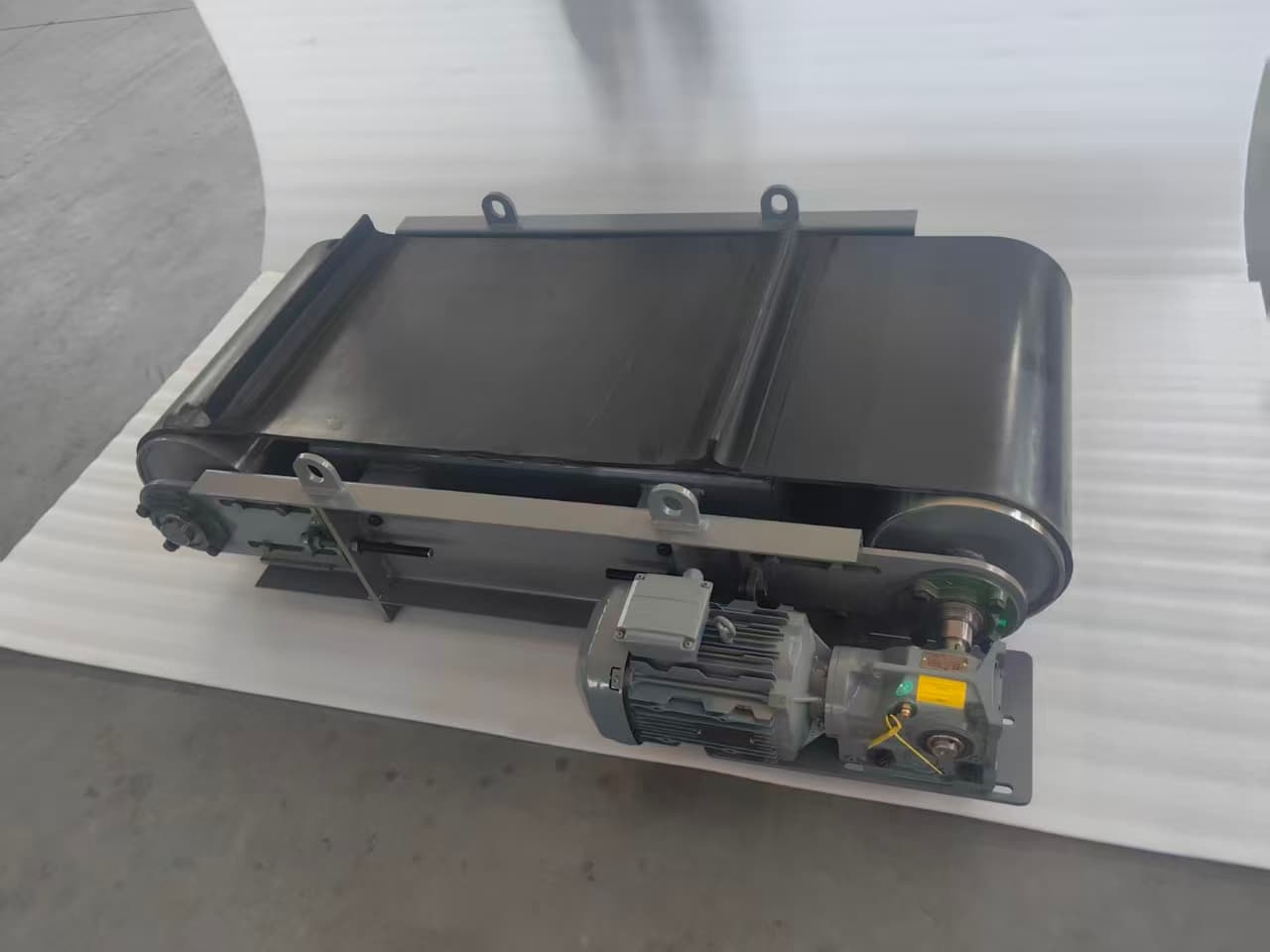
When selecting a magnetic separator for your conveyor system, it's essential to consider the specific application, material being processed, and the desired process purpose. This article will guide you through the key criteria to ensure you choose the right magnetic separator for your needs, focusing on the protection of industrial equipment from tramp iron damage and improving material purity.
Understanding the Application and Material
The first step in selecting a magnetic separator is to understand the specific application and the material being processed. For conveyor systems, the primary goal is often to remove tramp iron, which can cause significant damage to equipment such as crushers and conveyors. The material being processed, whether it is coal, minerals, or recycled materials, will influence the type and strength of the magnetic separator required.
Key Considerations:
Material Type: Determine if the material is ferrous, non-ferrous, or a mix.
Particle Size: Smaller particles may require higher magnetic field strengths.
Flow Rate: Higher flow rates may necessitate larger or more powerful separators.
Operating Conditions and Environmental Factors
Operating conditions and environmental factors play a crucial role in the selection of a magnetic separator. These include the temperature, humidity, and the presence of dust or other contaminants.
Key Considerations:
Temperature: High-temperature environments may require specialized designs.
Humidity and Dust: Equipment should be designed to withstand harsh conditions, with features like dustproof and waterproof structures.
Conveyor Speed: Faster conveyor speeds may require more powerful magnetic fields to effectively capture tramp iron.
Magnetic Separator Types and Configurations
There are several types of magnetic separators suitable for conveyor systems, each with its own advantages and limitations. The most common types include overband magnetic separators, suspended permanent magnetic separators, and self-cleaning magnetic separators.
Comparison Table
Magnetic Separator Type Application Advantages Limitations
Overband Magnetic Separator Belt conveyors, crusher protection High magnetic field, easy installation Requires regular cleaning
Suspended Permanent Magnetic Separator Raw material processing, conveyor protection No power consumption, low maintenance Fixed magnetic field, less effective for fine particles
Self-Cleaning Magnetic Separator High-capacity operations, continuous operation Automatic iron discharge, high efficiency Higher initial cost, requires power supply
Cowinmagnet's Solutions for Conveyor Systems
Cowinmagnet provides a full range of industrial magnetic separation solutions designed for global mining, recycling, cement, quarry, aggregate, coal handling, and bulk material processing industries. Our products, including overband magnetic separators, suspended permanent magnetic separators, and self-cleaning magnetic separators, are engineered to integrate seamlessly into conveyor systems, ensuring reliable and efficient operation.
Key Features:
High Magnetic Field Intensity: Ensures strong and stable magnetic force under continuous industrial operation.
Stable Performance in Harsh Environments: Designed to withstand high temperatures, dust, and moisture.
Low Maintenance Cost: Durable construction and self-cleaning options reduce downtime and maintenance.
Customizable Design: Tailored to meet the specific needs of your production line.
For more information on our magnetic separation solutions, visit our product page .
Frequently Asked Questions
What are the main benefits of using a magnetic separator in a conveyor system?
Using a magnetic separator in a conveyor system helps protect critical equipment from tramp iron damage, improves material purity, reduces maintenance costs, and increases overall production efficiency.
How do I determine the right magnetic field strength for my application?
The appropriate magnetic field strength depends on the material type, particle size, and flow rate. It is best to consult with a technical expert to assess the specific requirements of your application.
Can magnetic separators be used in high-temperature environments?
Yes, but special designs and materials are required. Cowinmagnet offers high-temperature resistant magnetic separators that can operate in extreme conditions.
Choosing the Right Magnetic Separator for Your Conveyor System
Selecting the right magnetic separator for your conveyor system involves a thorough understanding of your application, material, and operating conditions. By considering the key criteria discussed in this article, you can ensure that your magnetic separator effectively protects your equipment and enhances your production process. For further assistance, please contact us to discuss your specific requirements and receive a tailored solution.