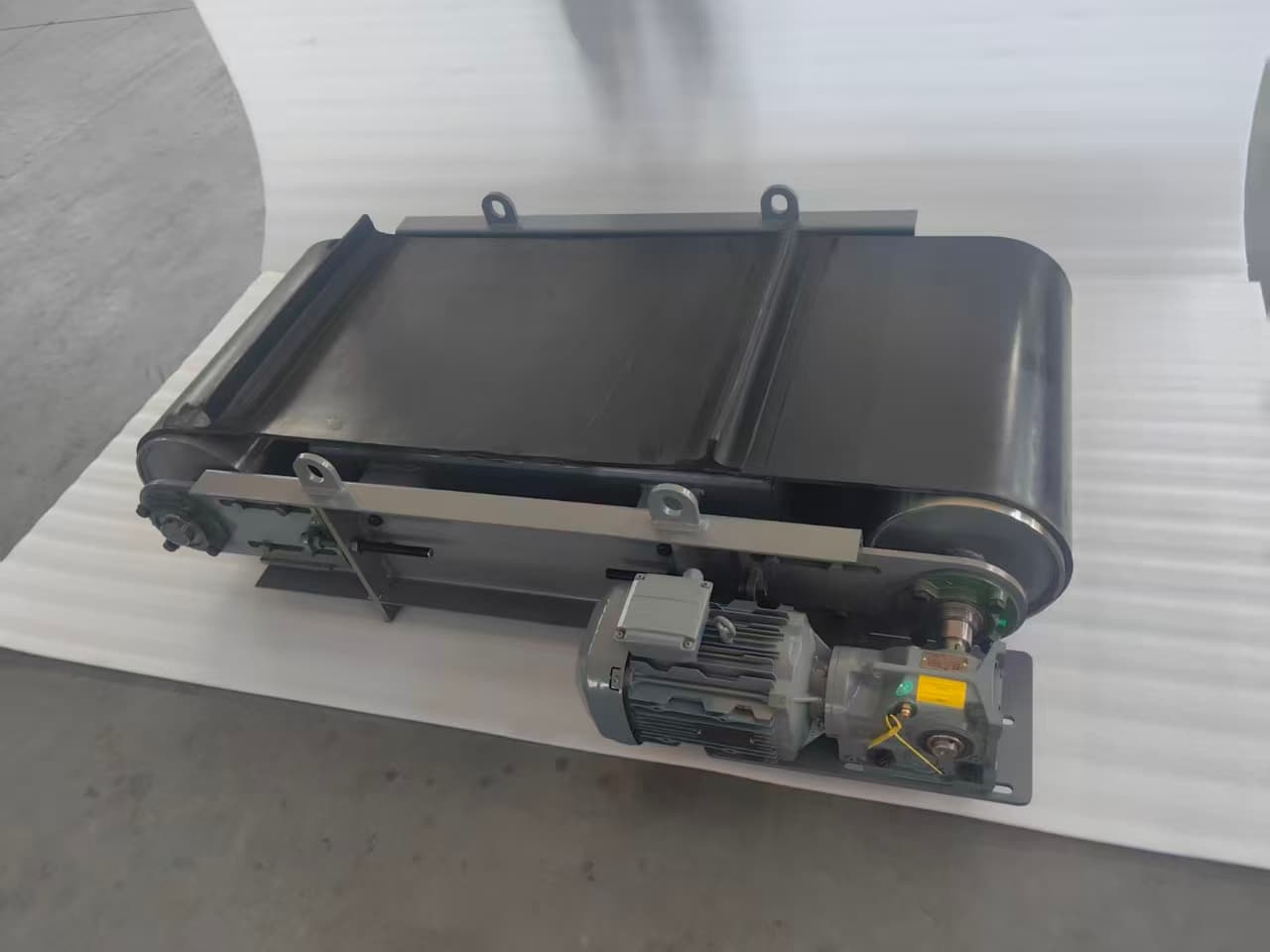
When selecting a magnetic separator for industrial applications, it's crucial to consider the specific requirements of your process. This article will guide you through the key criteria to ensure you choose the right magnetic separator for your needs, focusing on the material being processed, the process purpose, and the operating conditions.
Understanding the Material Being Processed
The first step in selecting a magnetic separator is to understand the material being processed. Different materials require different types of separators. For example, if you are processing bulk materials like coal, aggregates, or minerals, an overband magnetic separator might be suitable. If you are dealing with fine powders or liquids, a magnetic drum or a pipeline magnetic separator may be more appropriate. The type of material, its particle size, and the presence of moisture or other contaminants all play a role in determining the best solution.
Defining the Process Purpose
The purpose of the magnetic separation process is another critical factor. Are you aiming to protect your equipment from tramp iron, improve the purity of your product, or both? For equipment protection, suspended permanent magnetic separators or self-cleaning magnetic separators are often used. For enhancing material purity, high-intensity magnetic separators or eddy current separators can be effective. The process purpose should be clearly defined to ensure the selected separator meets your specific goals.
Operating Conditions and Environmental Factors
Operating conditions, such as temperature, humidity, and the presence of dust, can significantly impact the performance of a magnetic separator. For high-temperature environments, special heat-resistant designs are necessary. In dusty or wet conditions, dustproof and waterproof structures are essential. Additionally, the flow rate and the continuous operation requirements of your process should be considered. For instance, self-cleaning magnetic separators are ideal for continuous operation, as they automatically discharge collected iron, reducing downtime and maintenance.
Criteria Considerations
Material Type Bulk, fine powder, liquid
Particle Size Large, medium, small, fine
Moisture Content Dry, slightly moist, wet
Contaminants Tramp iron, ferrous, non-ferrous
Process Purpose Equipment protection, material purification
Operating Temperature Normal, high-temperature
Humidity Low, high
Dust and Water Dustproof, waterproof
Flow Rate Continuous, intermittent
Maintenance Manual, self-cleaning
Cowinmagnet's Solutions for Magnetic Separation
Cowinmagnet provides a full range of industrial magnetic separation solutions designed for global mining, recycling, cement, quarry, aggregate, coal handling, and bulk material processing industries. Our product portfolio includes overband magnetic separators, suspended permanent magnetic separators, self-cleaning magnetic separators, electromagnetic separators, magnetic drums, magnetic pulleys, magnetic bars, magnetic grids, drawer magnets, pipeline magnetic separators, eddy current separators, and metal detection systems.
Our solutions are engineered for continuous operation, including self-cleaning belt systems, automatic iron discharge, high-temperature resistance designs, dustproof and waterproof structures, and heavy-duty industrial frames. All products are designed to integrate easily into conveyor systems, crushing lines, sorting plants, and mineral processing plants, ensuring seamless installation and stable operation.
For more information on our magnetic separation solutions, visit our product page .
Frequently Asked Questions
What types of materials can be processed by magnetic separators?
Magnetic separators can process a wide range of materials, including bulk materials, fine powders, and liquids. The specific type of separator depends on the material's properties, such as particle size and moisture content.
How do I determine the right magnetic separator for my application?
To determine the right magnetic separator, consider the material being processed, the process purpose (equipment protection or material purification), and the operating conditions (temperature, humidity, dust, and water). Consulting with a technical expert can also help in making the right selection.
What are the benefits of using a self-cleaning magnetic separator?
Self-cleaning magnetic separators are ideal for continuous operation as they automatically discharge collected iron, reducing downtime and maintenance. They are particularly useful in high-volume processing environments where manual cleaning would be impractical.
Selecting the Right Magnetic Separator for Your Needs
Choosing the right magnetic separator involves a thorough understanding of your material, process purpose, and operating conditions. By considering these factors, you can select a magnetic separator that ensures efficient and reliable performance. For more detailed information and to discuss your specific requirements, contact us today.