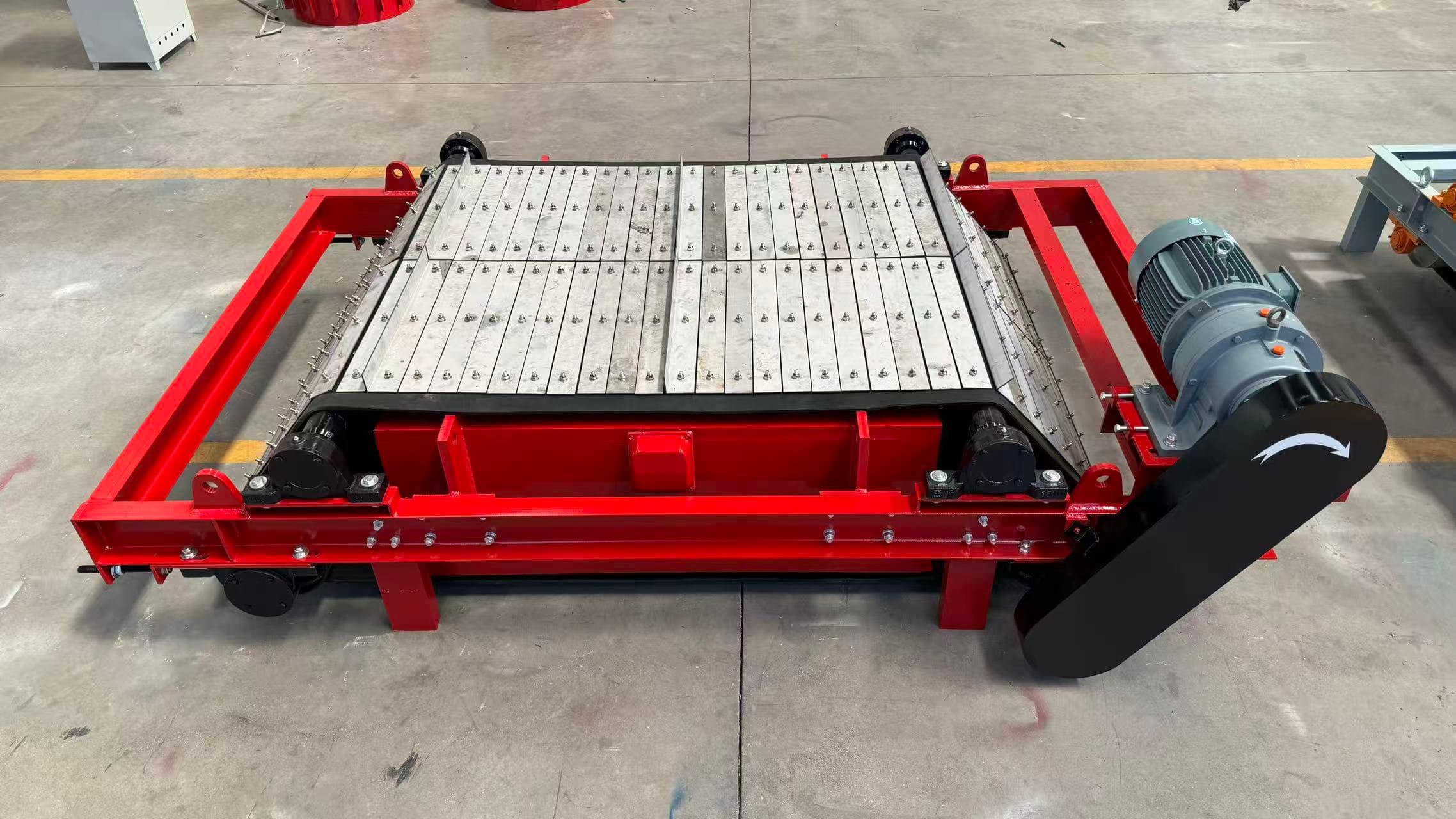
When selecting a magnetic separator for efficient recycling processes, it is crucial to consider several key factors to ensure optimal performance and material purity. This article will guide you through the essential criteria for choosing the right magnetic separator, focusing on its application in recycling facilities.
Understanding the Application and Material Type
The first step in selecting a magnetic separator is to understand the specific application and the type of material being processed. In recycling, common materials include ferrous and non-ferrous metals, plastics, and other mixed waste. The primary goal is to separate ferrous metals from the waste stream to improve the purity of the final product and protect downstream equipment from damage. Suitability should be assessed against the specific characteristics of the material, such as particle size, moisture content, and the presence of non-magnetic contaminants.
Key Technical Specifications and Operating Conditions
Magnetic separators for recycling applications must meet certain technical specifications and operating conditions. Key factors include:
Magnetic Field Intensity: The strength of the magnetic field is critical for effective separation. High-intensity rare earth magnets are often used for fine and weakly magnetic particles.
Operating Temperature: Some recycling processes involve high temperatures, so the magnetic separator should be designed to withstand these conditions without losing its magnetic properties.
Belt Speed and Conveyor Capacity: The speed of the conveyor belt and the capacity of the system should be matched to the throughput requirements of the recycling facility.
Self-Cleaning Mechanisms: To ensure continuous operation, self-cleaning features such as automatic iron discharge systems are essential.
Selecting the Right Type of Magnetic Separator
Different types of magnetic separators are suitable for various recycling applications. Common types include:
Overband Magnetic Separators: These are typically installed above conveyor belts to remove large tramp iron from the waste stream.
Magnetic Drums: Used in conjunction with conveyor belts, magnetic drums are effective for separating ferrous metals from non-ferrous materials.
Eddy Current Separators: These are used to separate non-ferrous metals from the waste stream, complementing the function of magnetic separators.
Type of Separator Application Key Features
Overband Large tramp iron removal High magnetic field intensity, easy installation
Magnetic Drum Ferrous metal separation Continuous operation, self-cleaning options
Eddy Current Non-ferrous metal separation High efficiency, adjustable rotor speed
Cowinmagnet's Capabilities in Recycling Applications
Cowinmagnet provides a comprehensive range of magnetic separation solutions designed for efficient recycling processes. Our overband magnetic separators and magnetic drums are engineered with high-performance rare earth and ferrite magnetic materials, ensuring strong and stable magnetic force under continuous industrial operation.
Key features of our recycling solutions include:
High Magnetic Field Intensity: Ensuring effective separation of even the finest ferrous particles.
Stable Performance in Harsh Environments: Designed to withstand high temperatures and dusty conditions.
Low Maintenance Cost: Self-cleaning mechanisms reduce downtime and maintenance needs.
Customizable Design: Tailored to fit the specific requirements of your recycling facility.
Frequently Asked Questions
What is the best type of magnetic separator for recycling plastic waste?
For recycling plastic waste, an eddy current separator is often the best choice. It effectively separates non-ferrous metals from the plastic, improving the purity of the final product.
How do I determine the appropriate magnetic field intensity for my recycling process?
The appropriate magnetic field intensity depends on the particle size and magnetic susceptibility of the ferrous materials. Consult with a technical expert to determine the optimal configuration for your specific application.
Can magnetic separators be used in high-temperature environments?
Yes, some magnetic separators are designed to operate in high-temperature environments. Ensure that the selected model is rated for the specific temperature range of your process.
Conclusion: Make Informed Decisions for Your Recycling Process
Selecting the right magnetic separator is crucial for achieving efficient and effective recycling processes. By considering the application, material type, technical specifications, and operating conditions, you can choose a solution that maximizes material purity and protects your equipment. For more information or to discuss your specific needs, contact us .