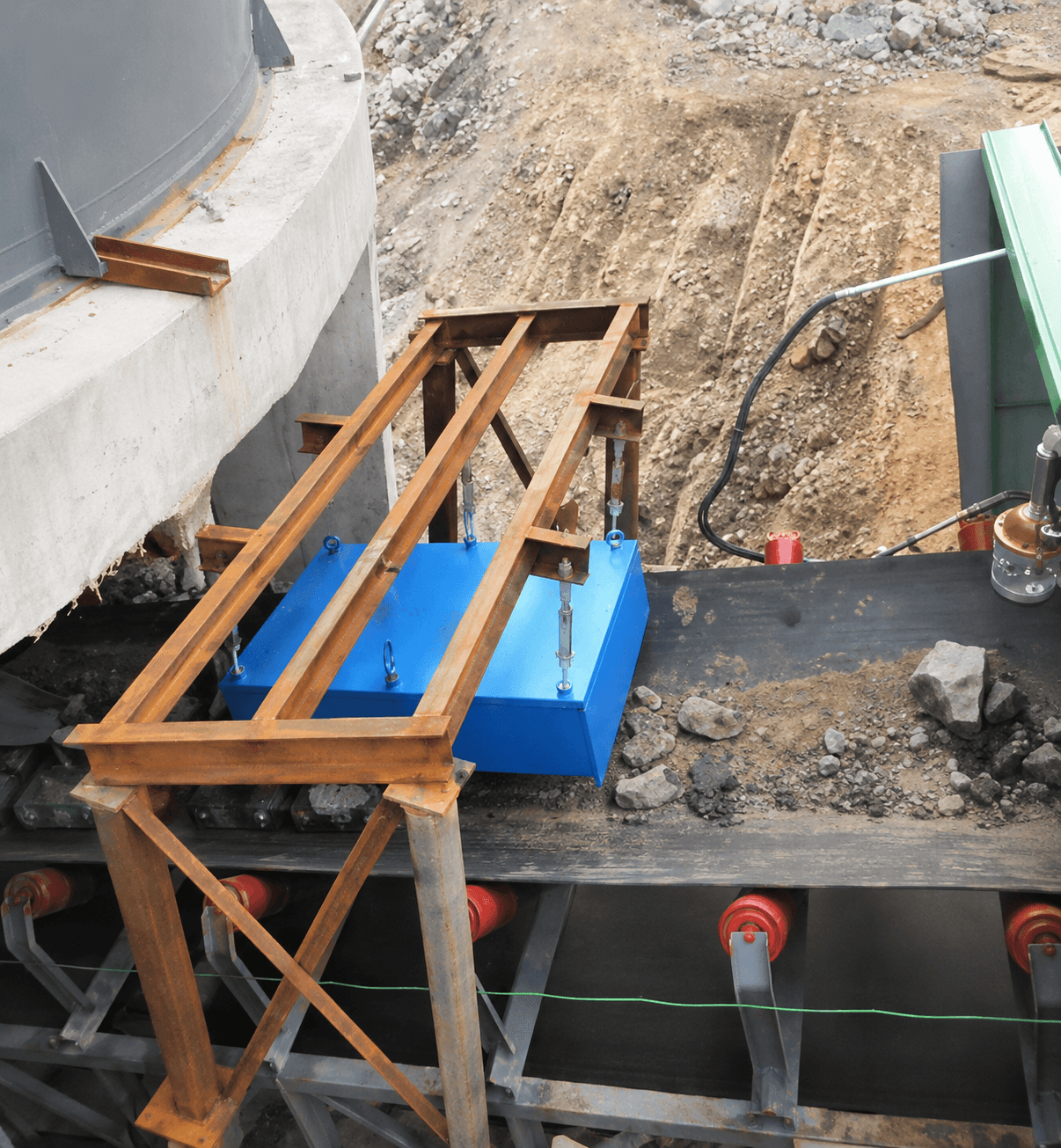
When considering the use of an electromagnetic magnetic separator for industrial material processing, it's essential to understand its primary function and suitability. This article will help you determine whether an electromagnetic magnetic separator is the right choice for your specific application, particularly in scenarios where continuous and high-intensity magnetic fields are required.
What is an Electromagnetic Magnetic Separator and How Does It Work?
An electromagnetic magnetic separator uses a powerful electromagnet to generate a magnetic field, which can be turned on and off as needed. This makes it highly suitable for applications where precise control over the magnetic field is necessary. The electromagnet is typically made of a coil of wire that, when energized, creates a strong magnetic field. This field attracts and holds ferrous materials, which can then be removed from the material stream.
The key advantage of an electromagnetic separator is its ability to maintain a consistent and high magnetic field strength, even under varying operating conditions. This makes it ideal for industries such as mining, recycling, and cement production, where the removal of tramp iron is critical.
When Should You Use an Electromagnetic Magnetic Separator?
Selection depends on the specific requirements of your material processing operation. Electromagnetic separators are particularly effective in environments where:
High Magnetic Field Strength is Required: For applications that need a very strong and controllable magnetic field, such as in mineral beneficiation or fine particle separation.
Continuous Operation is Necessary: Electromagnetic separators can operate continuously without significant loss of magnetic strength, making them suitable for high-throughput processes.
Flexibility in Control is Needed: The ability to turn the magnetic field on and off allows for more flexible and precise control over the separation process.
Suitability should be assessed against the type of material being processed, the desired purity level, and the operational environment. For example, in a recycling plant, an electromagnetic separator can be used to remove small ferrous contaminants from shredded metal, ensuring a higher quality end product.
Operating Conditions and Performance Data
Electromagnetic magnetic separators are designed to operate under a range of conditions, including high temperatures and harsh environments. Confirmed technical facts include:
Magnetic Field Intensity: Up to 20,000 Gauss
Operating Temperature Range: -20°C to +80°C
Power Supply: Typically requires a stable power source, usually AC or DC, depending on the model
Cooling System: Many models come with built-in cooling systems to prevent overheating during continuous operation
Confirmed performance data shows that these separators can achieve up to 98% efficiency in removing ferrous contaminants, significantly improving the purity of the processed material. For detailed specifications and performance data, refer to the Cowinmagnet product catalog .
Cowinmagnet's Capabilities in Electromagnetic Separation
Cowinmagnet provides a full range of industrial magnetic separation solutions, including electromagnetic separators, designed for global mining, recycling, cement, quarry, aggregate, coal handling, and bulk material processing industries. Our electromagnetic separators are engineered with high-performance rare earth and ferrite magnetic materials to ensure strong and stable magnetic force under continuous industrial operation.
Key features of our electromagnetic separators include:
High Magnetic Field Intensity: Ensures effective separation of even the smallest ferrous particles.
Stable Performance in Harsh Environments: Designed to withstand high temperatures and dusty conditions.
Low Maintenance Cost: Built with durable components and a robust cooling system to minimize downtime.
Customizable Design: We offer tailored solutions to fit specific production line requirements.
For more information on our electromagnetic separators and other magnetic separation solutions, visit our product page .
Frequently Asked Questions
What are the main differences between electromagnetic and permanent magnetic separators?
Electromagnetic separators use a coil of wire to generate a magnetic field, which can be turned on and off. This makes them suitable for applications requiring precise control. Permanent magnetic separators, on the other hand, use permanent magnets and do not require a power source, but they have a fixed magnetic field strength.
Can electromagnetic separators be used in high-temperature environments?
Yes, many electromagnetic separators are designed to operate in high-temperature environments, with some models capable of functioning in temperatures up to +80°C. However, it is important to check the specific operating temperature range for the model you are considering.
How do I choose the right electromagnetic separator for my application?
The appropriate configuration may vary with the type of material, the desired purity level, and the operating conditions. Factors to consider include magnetic field intensity, operating temperature, and the presence of a cooling system. Consulting with a technical expert, such as those at Cowinmagnet, can help you make the right choice.
Make Informed Decisions for Your Material Processing Needs
Understanding the key considerations for using an electromagnetic magnetic separator is crucial for optimizing your material processing operations. By selecting the right equipment, you can ensure efficient and reliable separation, reducing maintenance costs and improving overall production efficiency. For more detailed information and to discuss your specific requirements, contact us today.