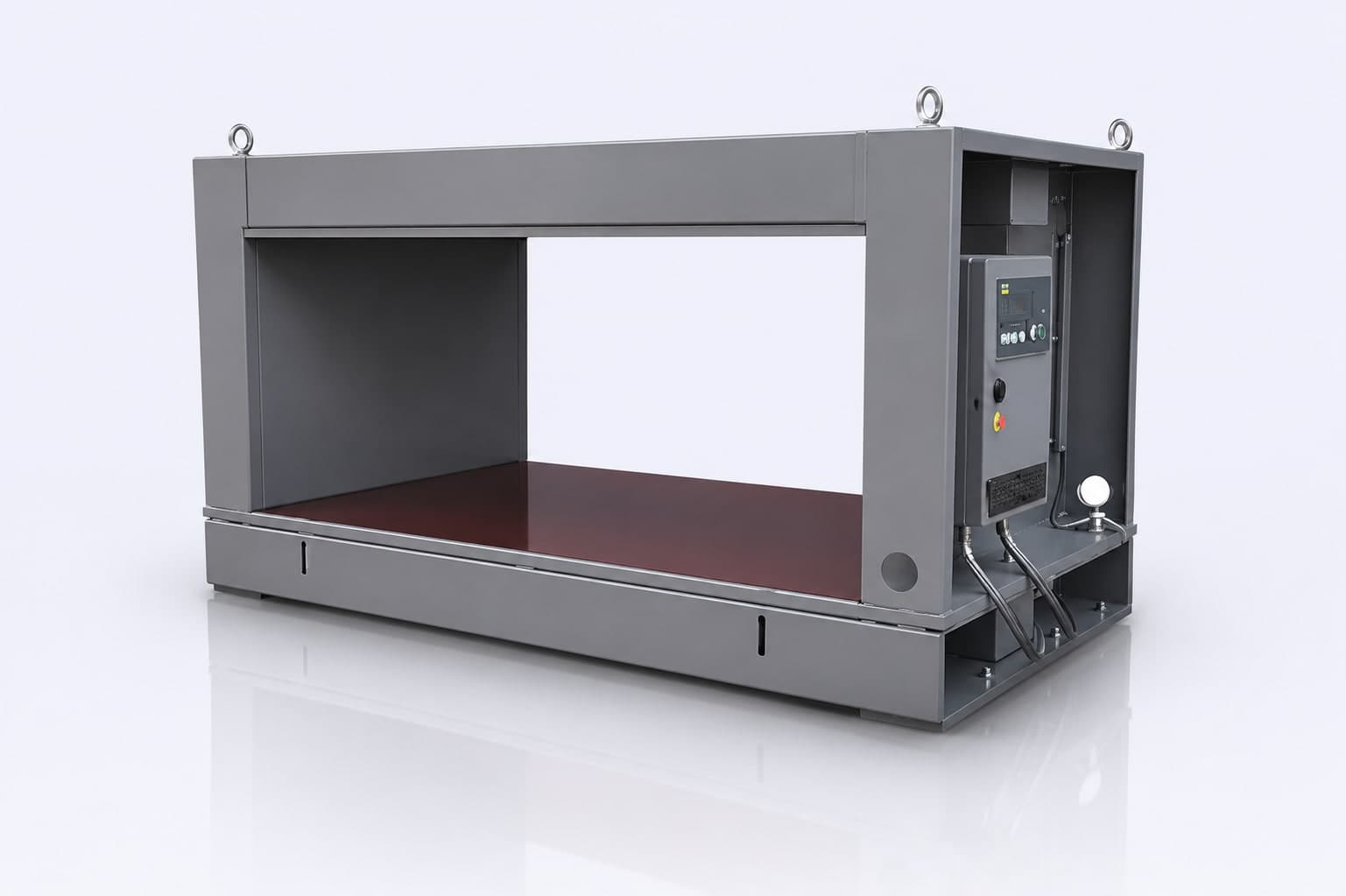
Product Overview
product overview: 1、 Explanation Adopting a split structure, easy to install. Product tracking function: It can automatically adjust and compensate internally based on changes in product effects.
Key Features
- Adopting a split structure, easy to install
- Product tracking function: It can automatically adjust and compensate internally based on changes in product effects
- Adopting special design schemes can effectively eliminate interference caused by electromagnetic and ground vibrations
- Product effect compensation function: It can automatically learn and compress product effects
- Communication port: RS232,RS485, Ethernet connection mode can be selected
- Temperature range for detecting materials: -20-80 ℃
- If the temperature exceeds this range, special high-temperature options can be selected
- 2、Scope of Application The DLS window type metal detector is mainly used in industrial sites to protect downstream important equipment, such as extruders, shredders, saw blades, and blades
Working Principle
product overview: 1、 Explanation Adopting a split structure, easy to install. Product tracking function: It can automatically adjust and compensate internally based on changes in product effects. Adopting special design schemes can effectively eliminate interference caused by electromagnetic and ground vibrations. Product effect compensation function: It can automatically learn and compress product effects. Product tracking function: It can automatically adjust and compensate internally based on changes in product effects. Communication port: RS232,RS485, Ethernet connection mode can be selected. Temperature range for detecting materials: -20-80 ℃. If the temperature exceeds this range, special high-temperature options can be selected. 2、Scope of Application The DLS window type metal detector is mainly used in industrial sites to protect downstream important equipment, such as extruders, shredders, saw blades, and blades. Mainly used in the following industries: plastic and rubber industry, recycling industry, wood processing industry, building materials industry, ceramics industry, etc. 3、 Schematic diagram 4、 Main technical parameters 4、 Product shooting