Nails, bolts, and other ferrous contaminants can damage shredders and crushers.
Protect equipment by removing ferrous metals before shredding and crushing.
Efficiently remove ferrous contaminants from municipal solid waste, construction waste, RDF fuel, plastic recycling, scrap metal recycling, and e-waste processing lines.

Protect equipment by removing ferrous metals before shredding and crushing.
Improve product purity and reduce metal contamination in the final output.
Reduce labor costs with automatic magnetic separation.
A practical first choice for municipal waste, RDF, plastic recycling and scrap metal recycling lines where continuous iron discharge is required.
Suitable for smaller recycling lines or locations where manual cleaning is acceptable and iron contamination is not heavy.
Useful for higher suspension height, thicker material burden or larger tramp iron risks in demanding recycling operations.
Used at discharge points for ferrous recovery and fine-particle material processing after size reduction.

Suspended Permanent Magnetic Separator is a suspended magnetic separator option for conveyor and bulk material handling. Configuration is confirmed from material and site conditions.
View product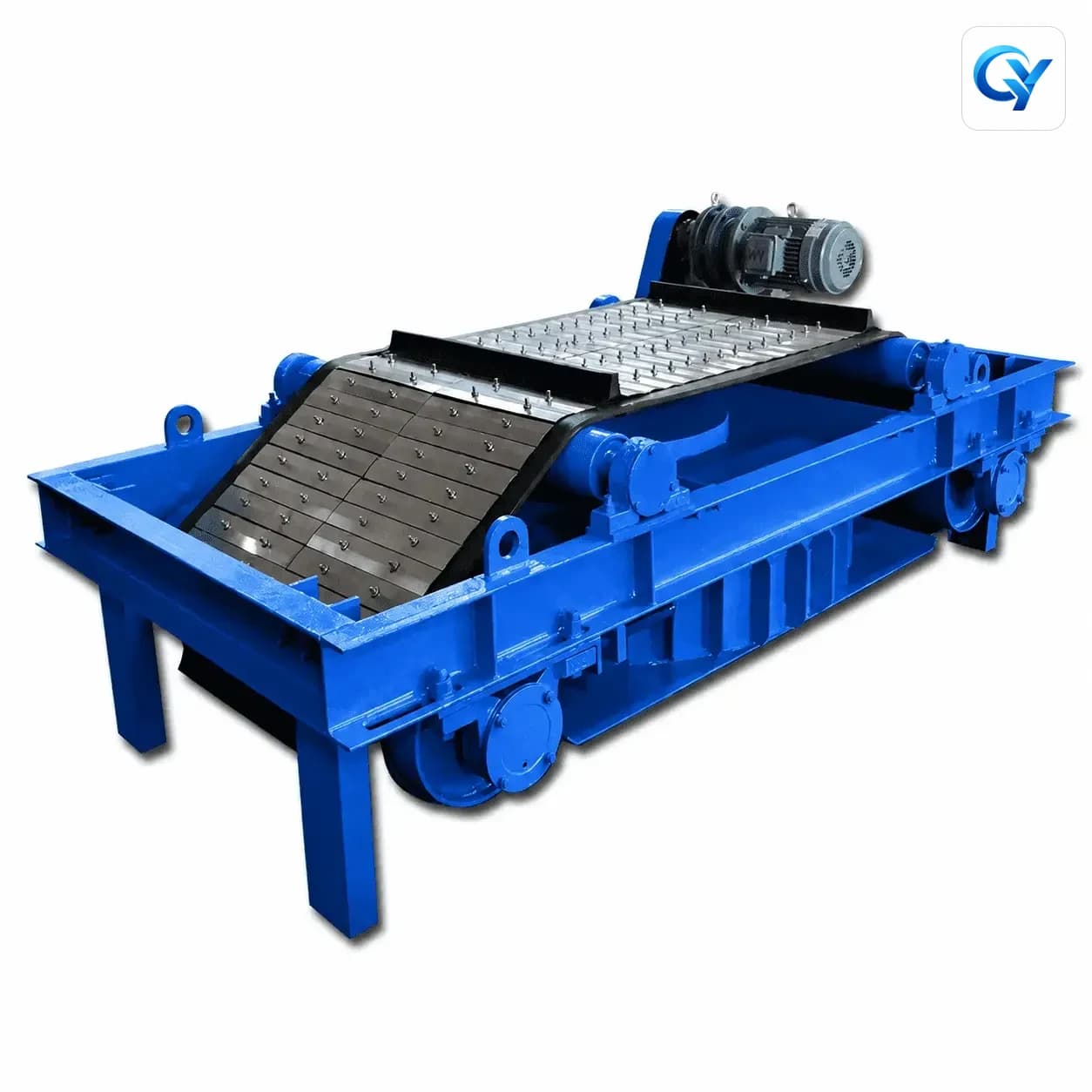
Suspended Electromagnetic Conveyor Belt Separator is a suspended magnetic separator option for conveyor and bulk material handling. Configuration is confirmed from material and site conditions.
View product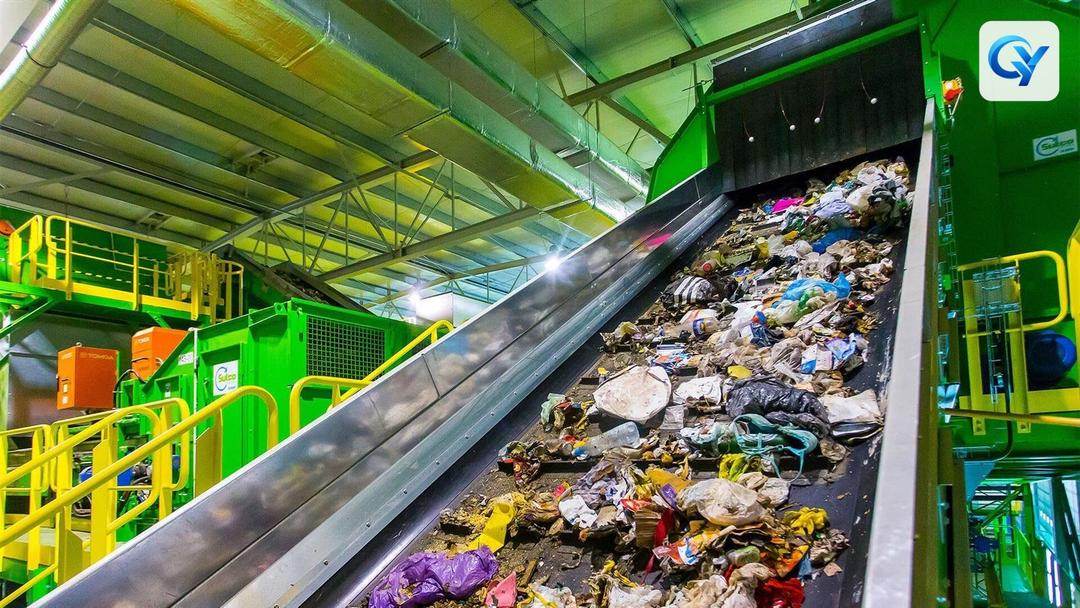
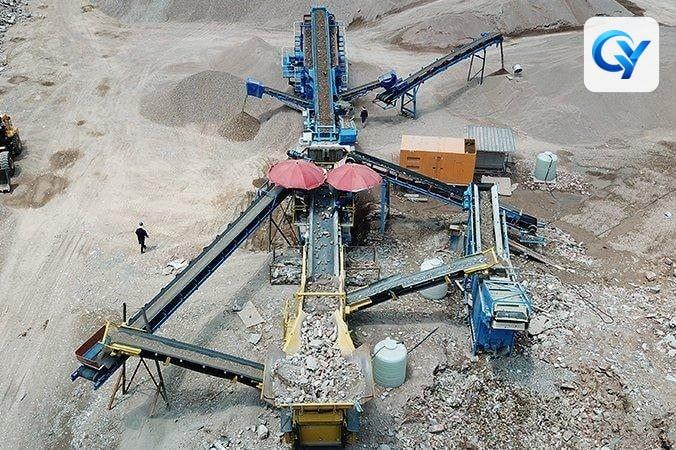
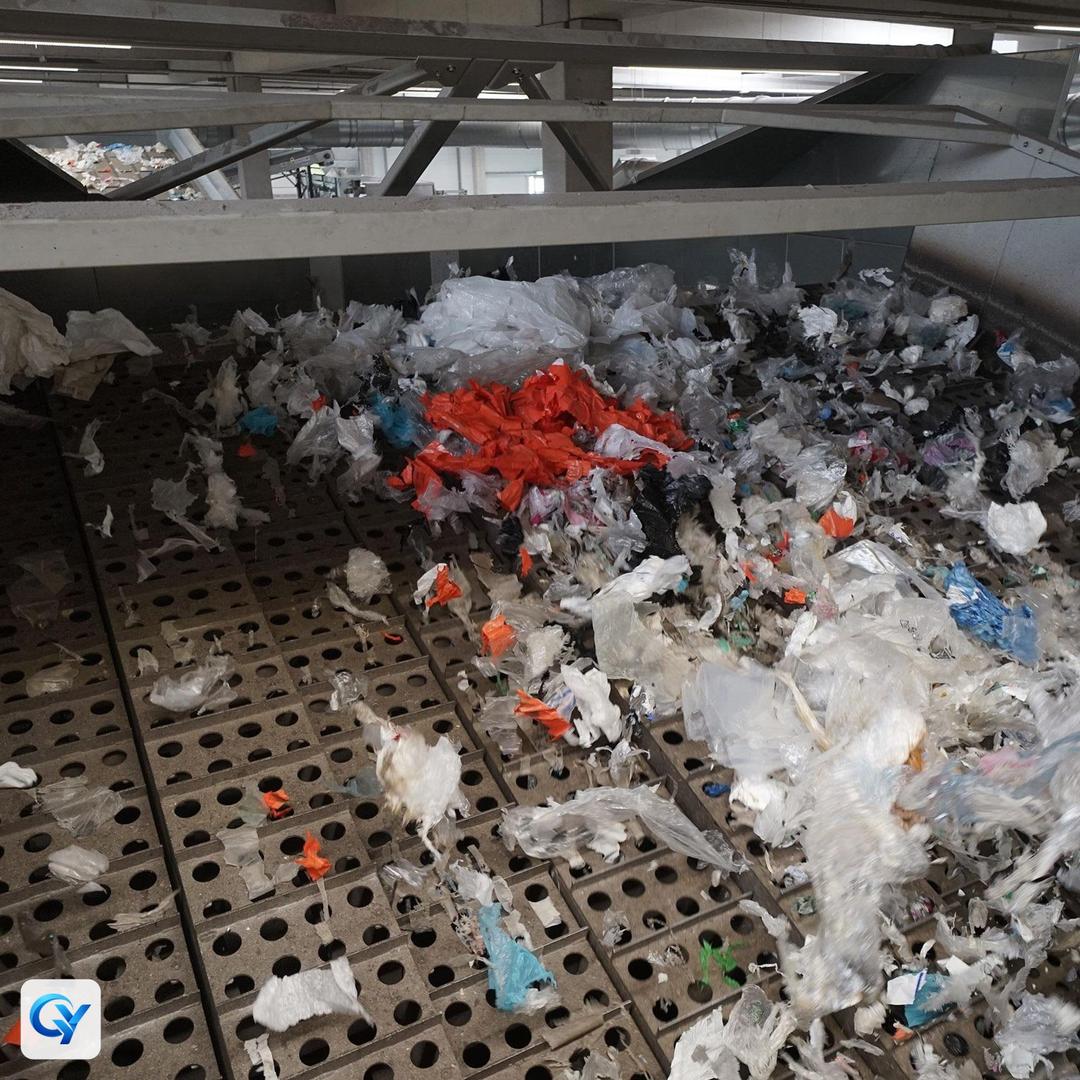
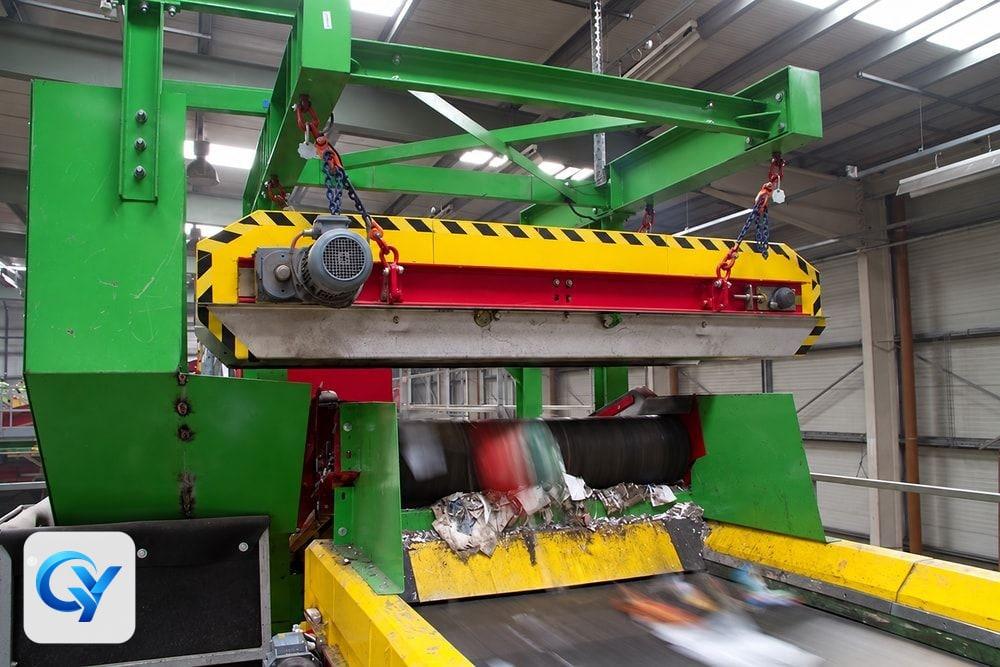
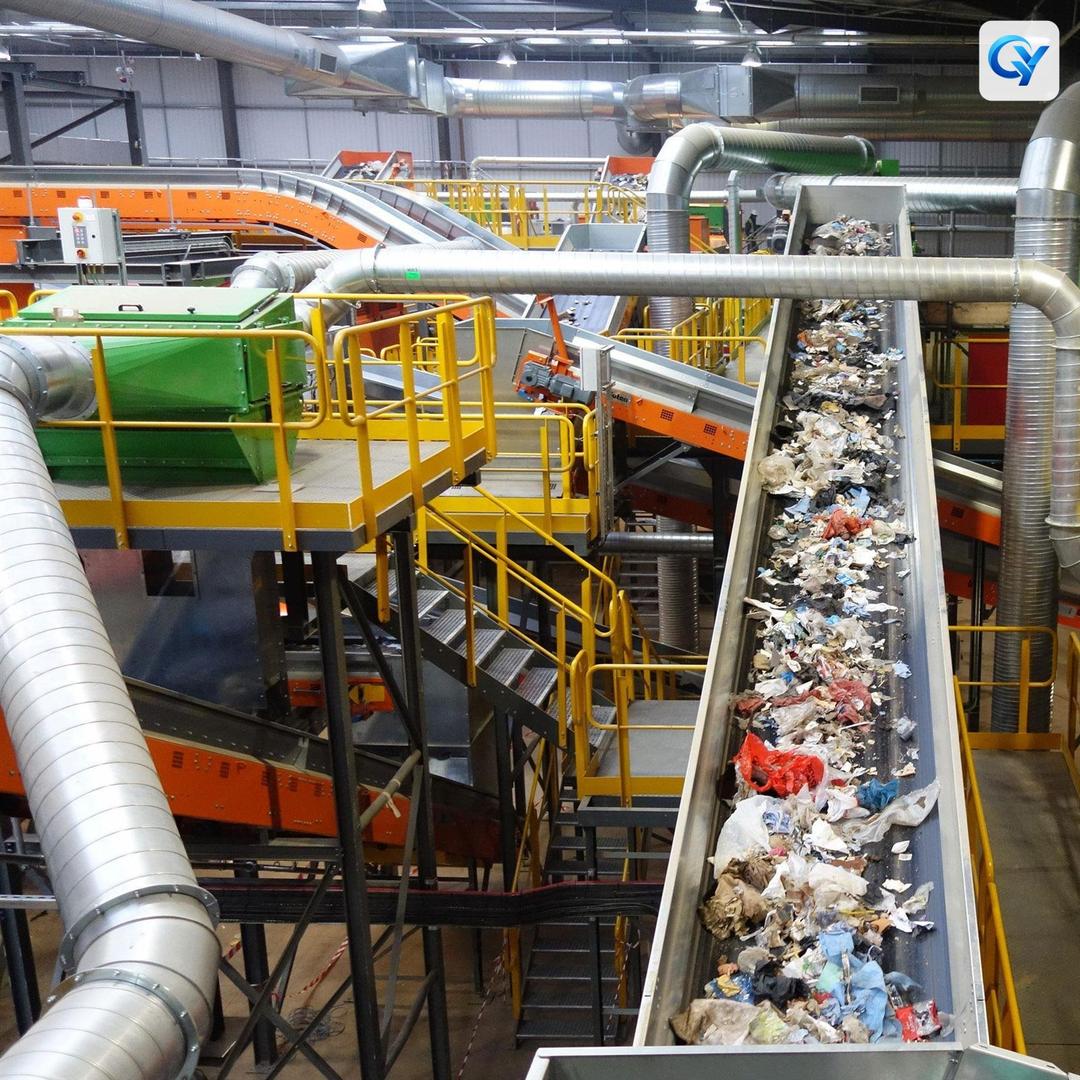
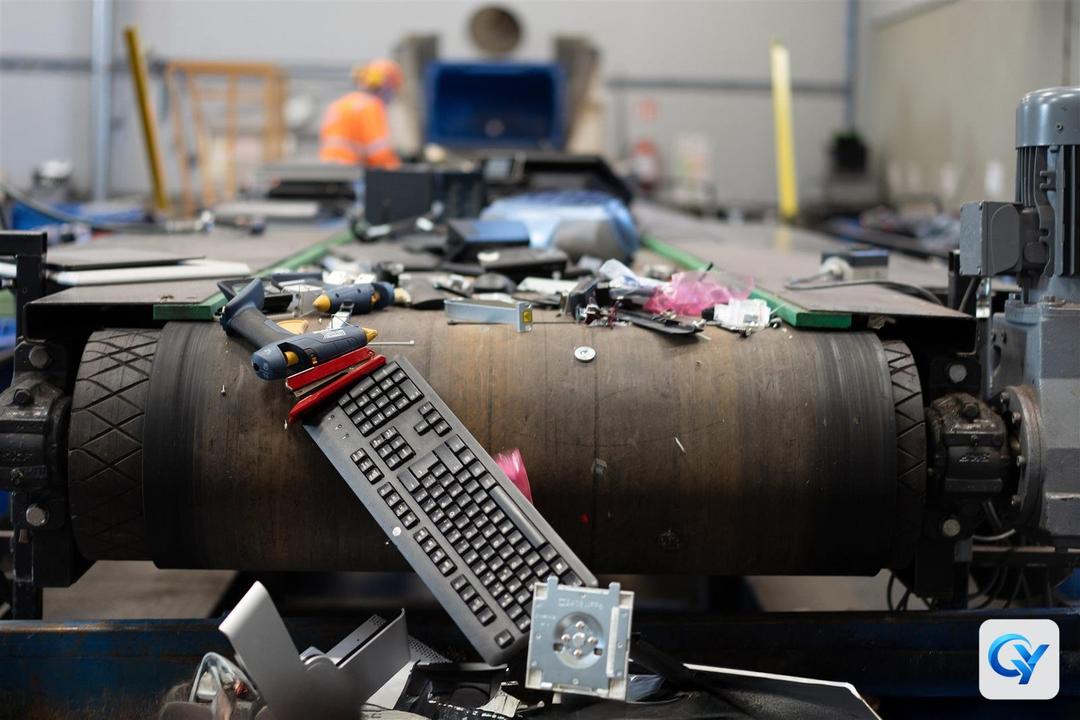
Install an overband or suspended magnetic separator before crushing or shredding to remove nails, bolts, steel wire and tramp iron from mixed waste streams.
Magnetic separation helps reduce ferrous contamination in plastic recycling, RDF preparation, scrap sorting and mixed waste recovery.
A self-cleaning magnetic separator can discharge captured iron continuously, reducing manual cleaning and keeping the line moving.
Recovered ferrous metal can create additional value while making the main recycled stream cleaner and easier to sell.
Removing tramp iron before critical equipment helps avoid unexpected repairs and supports more stable plant operation.
Tell us your material, belt width, capacity, and downstream equipment risk.
A self-cleaning overband magnetic separator is usually the starting option because it removes and discharges ferrous metals continuously. Final selection still depends on belt width, burden depth, iron size and installation height.
Please share material type, conveyor belt width, belt speed, material layer height, installation height, iron contamination level, target capacity and site photos if available. These details help us recommend a practical separator type instead of guessing from a catalog.