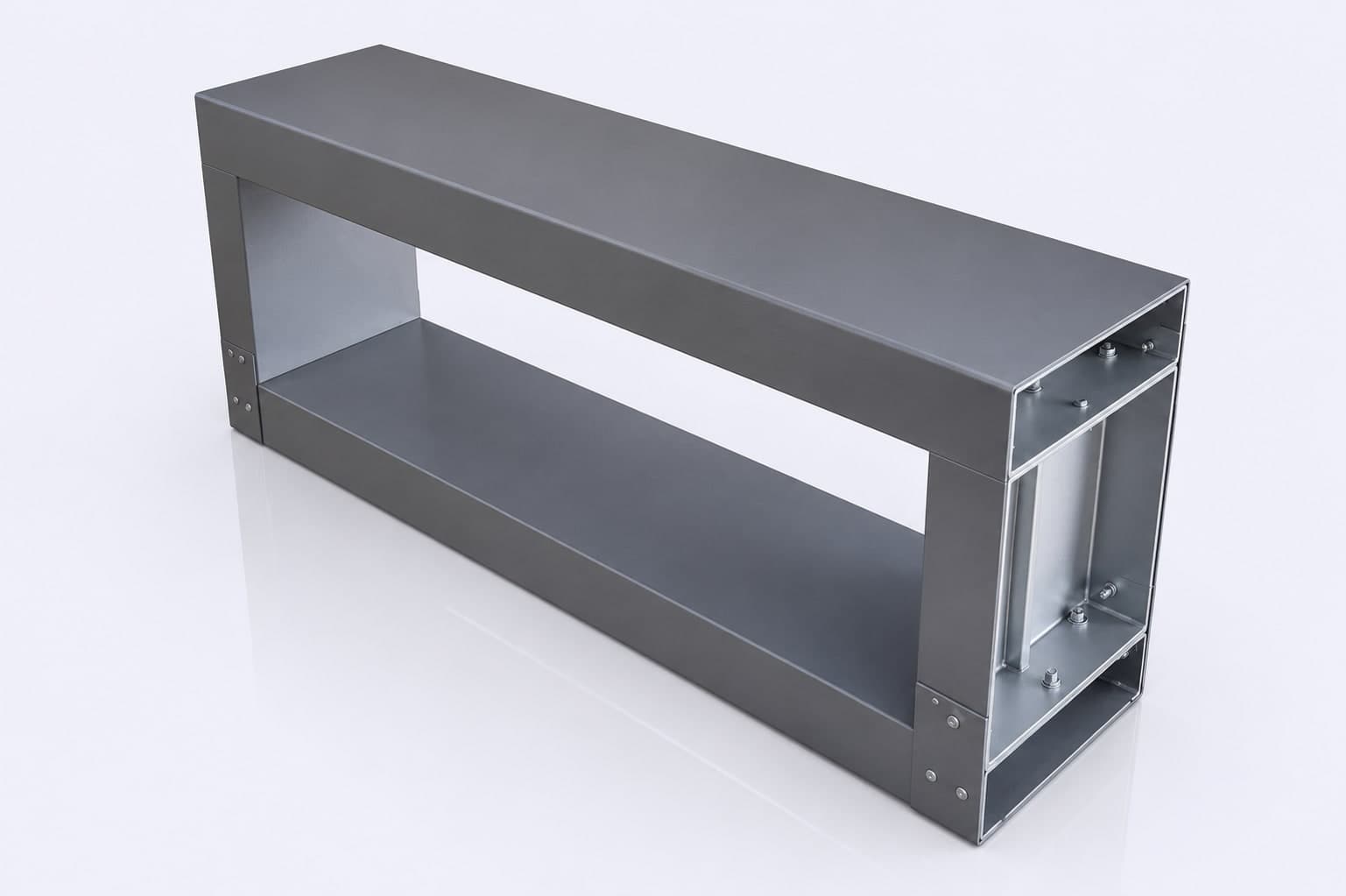
Descripción del producto
product overview: 1、 Explanation The GJT window type metal detector is currently an excellent product in the field of metal detection in China. In the circuit design, a new metal detection technology - digital phase shifting and related detection technology -
Características clave
- The GJT window type metal detector is currently an excellent product in the field of metal detection in China
- It is mainly used in belt conveyors in industries such as thermal power generation, cement, papermaking, mining, forestry, environmental protection, building materials, food processing, and grain
- Detection range: metals such as iron, aluminum, stainless steel, alloys, etc
- Timer function: After the relay is closed, it will release with a delay of 1-10 seconds
- Control output: One pair of relay contacts is normally open, and the other pair is normally closed
Principio de trabajo
product overview: 1、 Explanation The GJT window type metal detector is currently an excellent product in the field of metal detection in China. In the circuit design, a new metal detection technology - digital phase shifting and related detection technology - has been adopted, which has stable performance, high detection sensitivity, and strong anti-interference ability. It is mainly used in belt conveyors in industries such as thermal power generation, cement, papermaking, mining, forestry, environmental protection, building materials, food processing, and grain. It utilizes the change signals generated when metal enters the sensor electromagnetic field, processes them through electronic technology, and drives the actuator (electromagnet, motor switch) to operate, thereby eliminating harmful metals. Features: Quantitative sensitivity debugging; High sensitivity design can detect super large metals and sound and light alarms. Detection range: metals such as iron, aluminum, stainless steel, alloys, etc. Timer function: After the relay is closed, it will release with a delay of 1-10 seconds. Control output: One pair of relay contacts is normally open, and the other pair is normally closed. Installation method: The sensor is installed on the belt frame, and the amplitude of the belt frame should be less than 0.5mm. When the amplitude exceeds 0.5mm, the sensor bracket should be installed separately. 2、 Schematic diagram 3、 Main technical parameters 4、 Product shooting
Especificaciones
Industrias de aplicación
Método de instalación
Installation method: The sensor is installed on the belt frame, and the amplitude of the belt frame should be less than 0.5mm. When the amplitude exceeds 0.5mm, the sensor bracket should be installed separately.