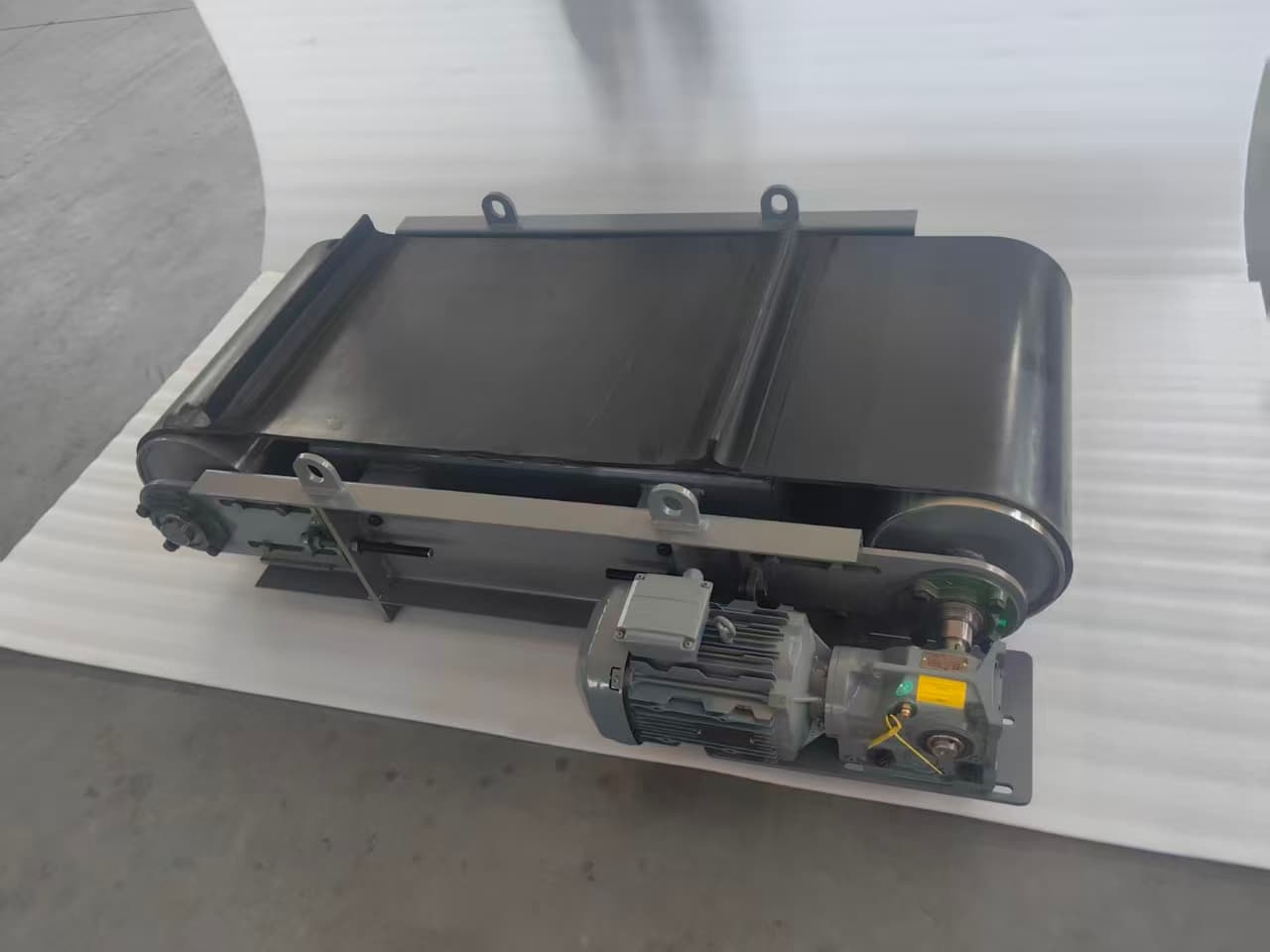
When selecting a magnetic separator for recycling, it is essential to consider the specific requirements of your material processing line. This article will guide you through the key factors to consider, including the type of material being processed, the desired process purpose, and the operating conditions. By understanding these elements, you can ensure that the selected magnetic separator effectively removes ferrous contaminants and enhances the overall efficiency of your recycling operations.
Choosing the Right Type of Magnetic Separator
The selection of a magnetic separator depends on the type of material being processed and the specific application. For recycling, common types include overband magnetic separators, magnetic drums, and eddy current separators. Each type has its own advantages and is suitable for different materials and particle sizes.
Overband Magnetic Separators : These are ideal for removing large tramp iron from conveyor belts, protecting downstream equipment such as crushers and grinding mills.
Magnetic Drums : Suitable for continuous separation of ferrous metals from non-ferrous materials in a conveyor system.
Eddy Current Separators : Effective for separating non-ferrous metals from waste streams, enhancing the recovery rates of valuable materials.
Operating Conditions and Performance
The performance of a magnetic separator is influenced by several operating conditions, including the speed of the conveyor belt, the thickness of the material layer, and the ambient temperature.
Conveyor Belt Speed : The speed should be optimized to ensure that the material is exposed to the magnetic field for an adequate duration. Typically, slower speeds allow for better separation.
Material Layer Thickness : Thicker layers may reduce the effectiveness of the magnetic field. It is important to maintain a consistent and appropriate layer thickness.
Ambient Temperature : High temperatures can affect the magnetic properties of the separator. Ensure that the equipment is designed to withstand the operating environment.
Key Technical Specifications
To help you make an informed decision, here is a comparison of the key technical specifications for different types of magnetic separators:
Type of Separator Material Processed Particle Size (mm) Magnetic Field Intensity (Gauss) Operating Temperature (°C)
Overband Ferrous Metals 10 - 200 8000 - 12000 -20 to +50
Magnetic Drum Ferrous Metals 0.5 - 10 6000 - 9000 -10 to +40
Eddy Current Non-Ferrous Metals 0.5 - 10 N/A -10 to +40
Cowinmagnet's Solutions for Recycling
Cowinmagnet provides a full range of industrial magnetic separation solutions designed for global recycling industries. Our product portfolio includes overband magnetic separators, magnetic drums, and eddy current separators, all engineered to meet the stringent demands of recycling operations.
High Magnetic Field Intensity : Our separators are designed with high-performance rare earth and ferrite magnetic materials, ensuring strong and stable magnetic force.
Stable Performance in Harsh Environments : Our equipment is built to withstand harsh industrial conditions, with dustproof and waterproof structures.
Customizable Design : We offer tailored solutions to fit your specific production line requirements, ensuring optimal performance and efficiency.
For more information on our magnetic separation systems, visit our product page .
Frequently Asked Questions
What types of materials can be processed by a magnetic separator in recycling?
A magnetic separator in recycling can process a wide range of materials, including ferrous and non-ferrous metals, plastics, and other waste streams. The specific type of separator (e.g., overband, magnetic drum, or eddy current) will depend on the material and particle size.
How does the speed of the conveyor belt affect the performance of a magnetic separator?
The speed of the conveyor belt affects the exposure time of the material to the magnetic field. Slower speeds generally allow for better separation, as the material has more time to interact with the magnetic field.
Can a magnetic separator be used in high-temperature environments?
Yes, but it is important to select a magnetic separator designed to withstand high temperatures. Cowinmagnet offers magnetic separators with high-temperature resistance, ensuring reliable performance in challenging environments.
Ensuring Optimal Performance in Your Recycling Operations
Selecting the right magnetic separator for your recycling operation is crucial for maximizing efficiency and reducing downtime. By considering the type of material, operating conditions, and the specific application, you can choose a solution that meets your needs. For further assistance, contact our technical team at davidsha@cowinmagnet.com or visit our website at www.cowinmagnet.com .