Eccentric Eddy Current Separator
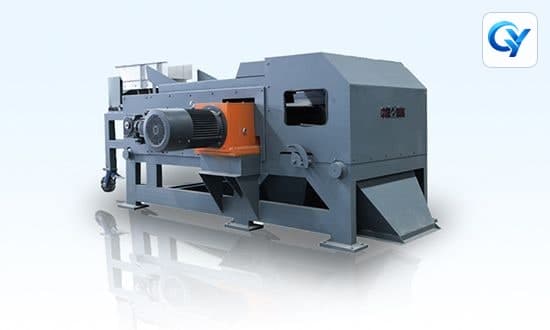
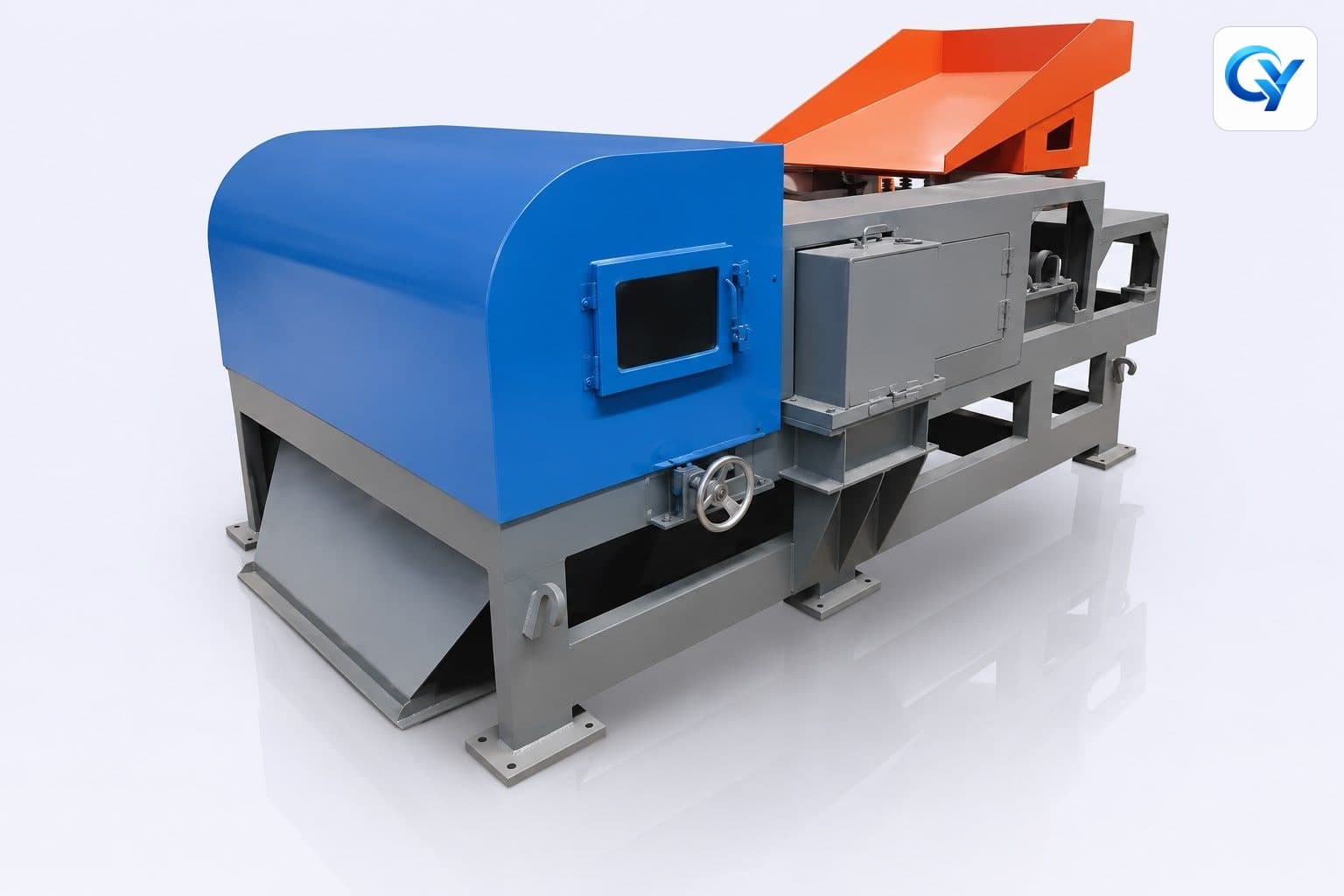
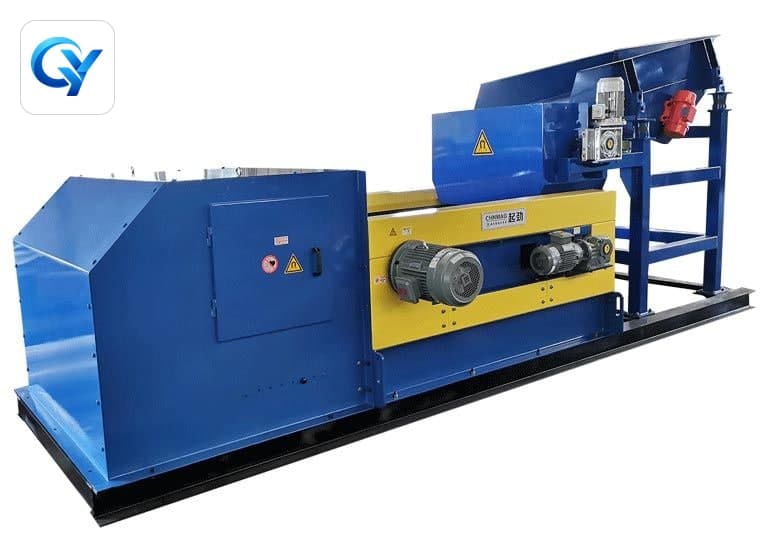
The Eccentric Eddy Current Separator is for recovering a defined non-ferrous metal fraction from prepared recycling feed.
Technical data- Process role
- Separate a defined metal fraction after feed preparation
- Feed type
- Prepared, sized material on a controlled feed
- Process sequence
- Ferrous removal before non-ferrous separation
Overview
The Eccentric Eddy Current Separator is for recovering a defined non-ferrous metal fraction from prepared recycling feed. It belongs after the appropriate crushing or screening steps and after ferromagnetic material has been addressed by a separate magnetic stage. The product page therefore treats feed preparation and process sequence as part of the equipment decision, rather than presenting every metal-separation task as one function.
For a useful review, describe the screened particle-size range, feed rate, material mix, existing ferrous pre-separation and the required output fractions. Those details determine whether the proposed machine position and downstream collection arrangement are appropriate for the line.
How it fits your process
- 01Crushing or screening
- 02Ferrous pre-separation
- 03Primary sorting stage
- 04Separated metal fraction
- 05Residual or downstream sorting
Technical information
Published model references are shown here. Final technical values are confirmed from the selected configuration and site conditions.
Review technical dataWhy this configuration needs site information
Separation sequence is explicit
A recycling line is reviewed from size reduction and screening through ferrous removal, the main sorting stage and downstream fraction handling.
Feed preparation affects results
Particle size, feed distribution, material moisture and ferrous removal before non-ferrous sorting must be clarified.
Equipment roles remain separate
Magnetic separation, eddy current separation, metal detection and stainless-steel sorting have different functions and are not presented as interchangeable.
Downstream fractions are planned
The required ferrous, non-ferrous or residual output stream should be specified before equipment selection.
Where it fits in a typical material flow
The diagram is a planning aid. Final positioning is confirmed from the line layout and the material duty.
- 01Crushing or screening
- 02Ferrous pre-separation
- 03Primary sorting stage
- 04Separated metal fraction
- 05Residual or downstream sorting
Typical materials and industry contexts
Technical specifications and confirmation basis
Published model references are shown where available. Final technical details are confirmed from current product records, material and site conditions.
What to send for an initial configuration review
- State whether ferrous material has already been removed upstream.
- Provide the screened feed size, feed rate and material mix.
- Describe the downstream collection or sorting stage so the equipment role is clear.
Important boundary
- Recovery performance is not stated without a defined feed and a line review.
- The product does not replace upstream screening, controlled feed or ferrous pre-separation where those stages are required.
Send the process details with the product pre-selected in the inquiry form.
Start product inquiryRelated products for the same process line
Questions to resolve before ordering
Why is ferrous removal checked before an eddy current separator?
A magnetic pre-separation stage is commonly reviewed before non-ferrous sorting so the feed reaching the eddy current stage is prepared for its intended duty.
Can an eddy current separator remove ferrous tramp iron?
No. Eddy current equipment is used for non-ferrous metal recovery. Ferromagnetic material should be addressed with the appropriate magnetic separation stage.
What information is needed for recycling sorting selection?
Please share feed size, material mix, throughput, upstream preparation, existing ferrous removal, required output fractions and the available conveyor layout.
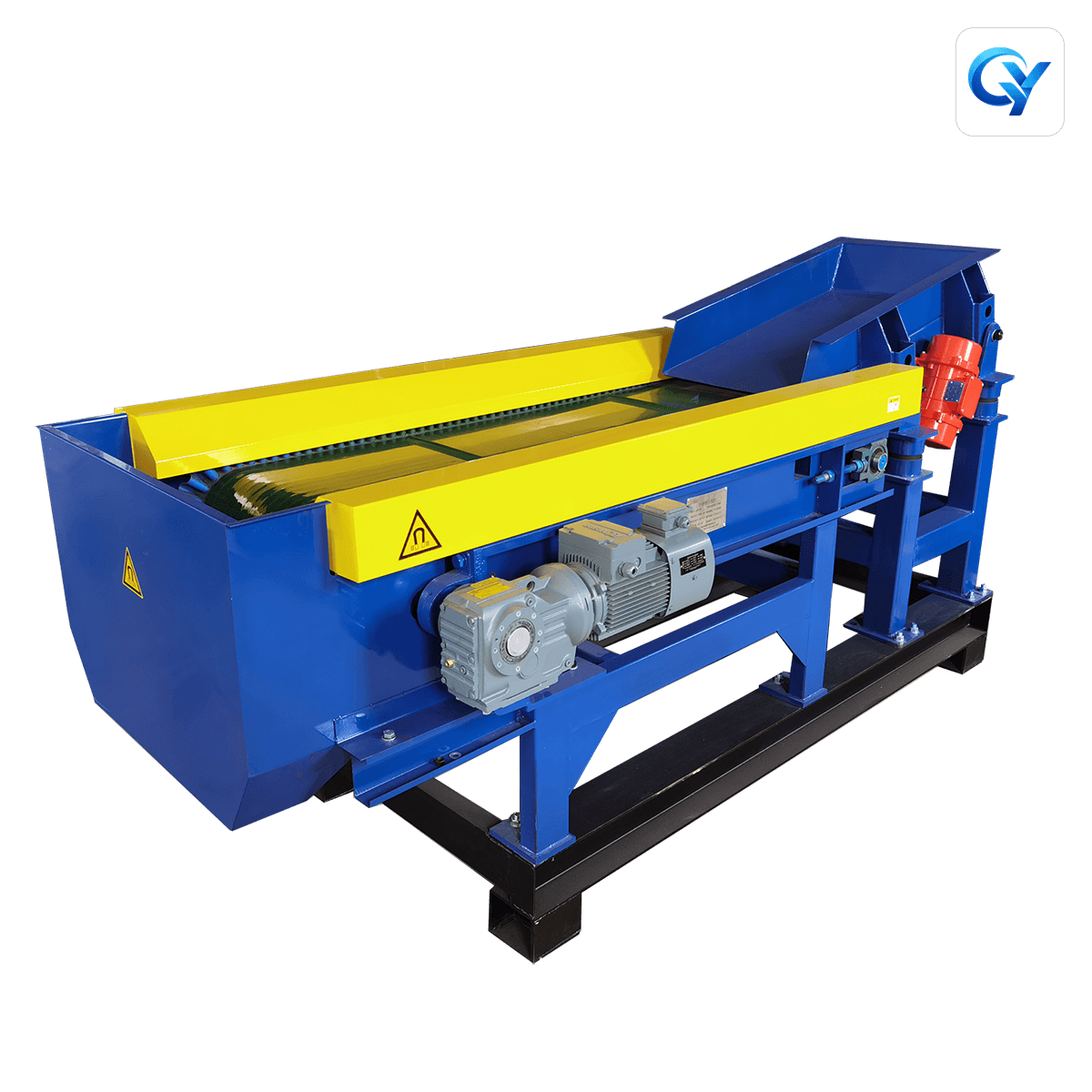
Can a stainless-steel sorting conveyor be described as a general metal separator?
No. Its application depends on the actual equipment capability and feed. It should be specified separately from magnetic and eddy-current stages.
Share the operating conditions for Eccentric Eddy Current Separator
Share your material, throughput and installation details so we can review the right configuration.