Configuration review
Permanent or electromagnetic magnet system where applicable
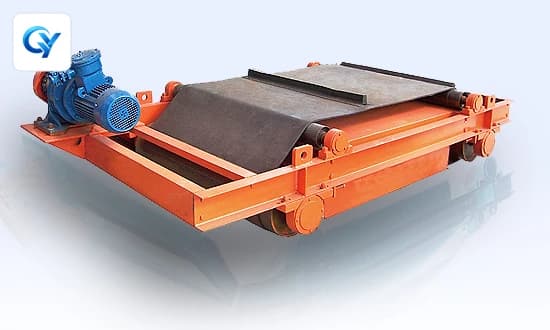
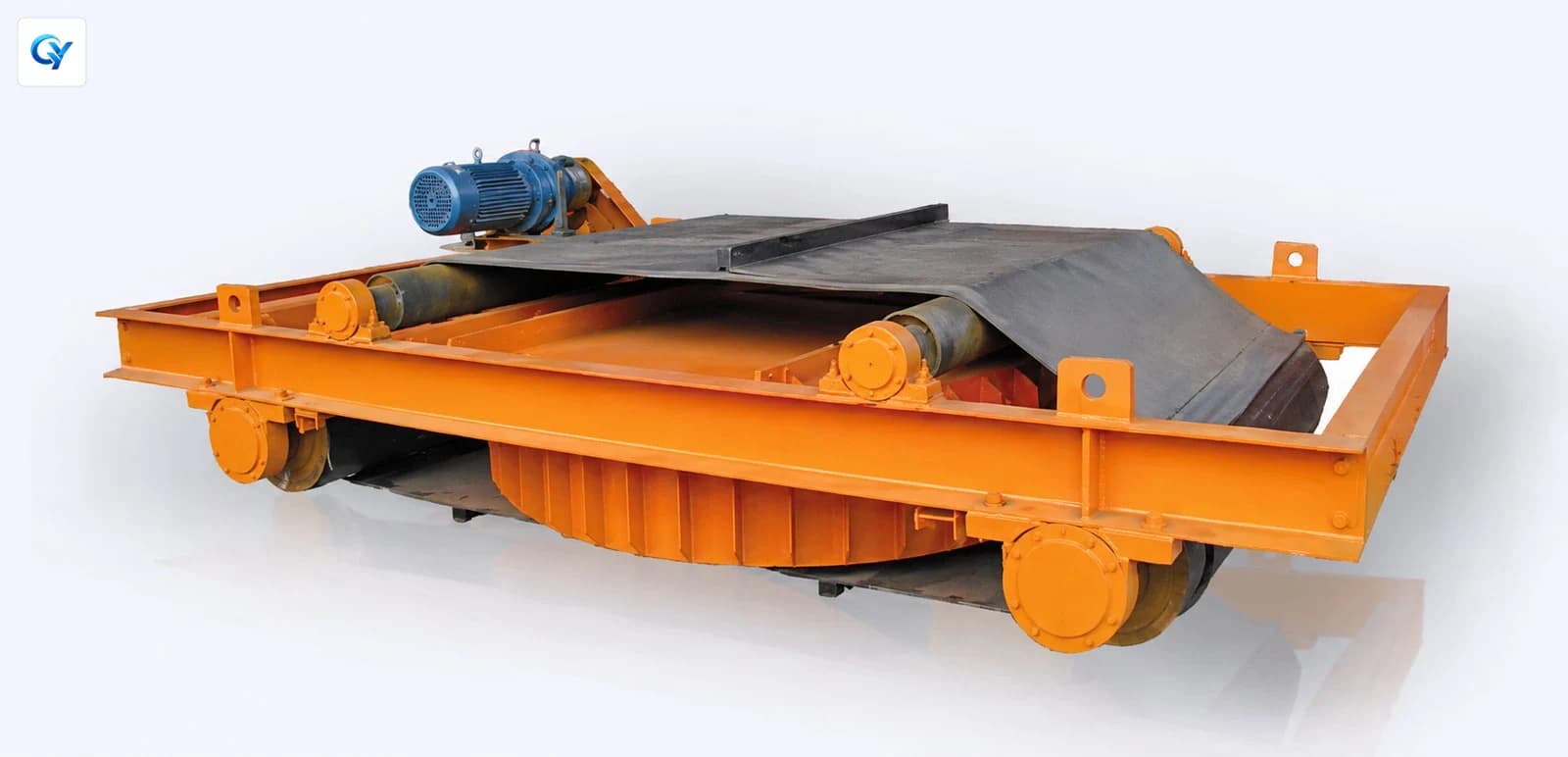
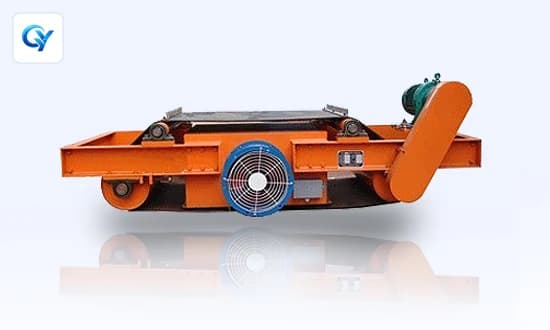
Selection and installationThe RCDC air-cooled self-dumping electromagnetic iron remover combines an electromagnetic capture stage with a separate continuous discharge arrangement for ferromagnetic material.
Technical dataThe RCDC air-cooled self-dumping electromagnetic iron remover combines an electromagnetic capture stage with a separate continuous discharge arrangement for ferromagnetic material. It is reviewed for conveyor lines where the process needs captured metal moved to a planned discharge point rather than held for a manual cleaning stop.
The electromagnetic duty and the discharge drive are assessed as separate parts of the configuration. Belt width, burden, suspension height, discharge space, electrical supply, ambient conditions and maintenance access must be confirmed before a final unit is proposed.
Permanent or electromagnetic magnet system where applicable
Selection and installationPublished model references are shown here. Final technical values are confirmed from the selected configuration and site conditions.
Review technical dataThe separator is selected around the actual conveyor path, discharge point and available suspension space.
Manual cleaning suits lower contamination where a safe service stop is acceptable; self-cleaning is considered for continuous discharge requirements.
Belt width, speed, material layer depth and the largest expected tramp item are required before a model can be confirmed.
Dust, temperature, power availability and access for maintenance should be reviewed with the installation layout.
The diagram is a planning aid. Final positioning is confirmed from the line layout and the material duty.
These diagrams support preliminary discussion. Final dimensions and installation details are confirmed for the selected configuration.
Published model references are shown where available. Final technical details are confirmed from current product records, material and site conditions.
| Model | Suitable belt width (mm) | Reference field: 额定吊高 h mm | Magnetic field reference | Material burden thickness (max. mm) | Excitation power | Reference field: 驱机功率 ≤KW | Belt speed (max. m/s) | Weight (kg) | Overall dimensions | Overall dimensions | Overall dimensions | Overall width D (mm) | Overall dimensions |
|---|---|---|---|---|---|---|---|---|---|---|---|---|---|
| RCDC-5 | 500 | 150 | 60 | 100 | 1.2 | 1.5 | 2.5 | 1080 | 2060 | 965 | 720 | 770 | 455 |
| RCDC-6 | 600 | 175 | 60 | 120 | 2 | 1.5 | 2.5 | 1350 | 2160 | 1170 | 810 | 1070 | 575 |
| RCDC-6.5 | 650 | 200 | 70 | 150 | 3 | 2.2 | 2.5 | 1530 | 2380 | 1370 | 820 | 888 | 650 |
| RCDC-8 | 800 | 250 | 70 | 200 | 4 | 2.2 | 2.5 | 2100 | 2340 | 1420 | 860 | 923 | 800 |
| RCDC-10 | 1000 | 300 | 70 | 250 | 6 | 3.0 | 2.5 | 3380 | 2810 | 1700 | 880 | 1180 | 1450 |
| RCDC-12 | 1200 | 350 | 70 | 300 | 8 | 4.0 | 2.5 | 4150 | 3000 | 1850 | 850 | 1650 | 1500 |
| RCDC-14 | 1400 | 400 | 70 | 350 | 12 | 4.0 | 2.5 | 5500 | 3280 | 2070 | 1020 | 1600 | 1410 |
| RCDC-16 | 1600 | 450 | 70 | 400 | 15 | 5.5 | 2.5 | 6900 | 3600 | 2270 | 1050 | 1800 | 1500 |
| RCDC-18 | 1800 | 500 | 70 | 450 | 20 | 7.5 | 2.5 | 8800 | 4280 | 2500 | 1160 | 2220 | 2850 |
| RCDC-20 | 2000 | 550 | 70 | 500 | 26 | 7.5 | 2.5 | 10500 | 4600 | 2750 | 1300 | 2470 | 3100 |
| RCDC-22 | 2200 | 600 | 70 | 550 | 32 | 7.5 | 2.5 | 12900 | 5100 | 3100 | 1600 | 2800 | 3450 |
Send the process details with the product pre-selected in the inquiry form.
Start product inquirySelf-cleaning is normally considered where ferrous contamination must be discharged continuously. Manual cleaning may be appropriate when contamination is low and the line can be isolated safely for service.
The installation direction depends on belt speed, burden depth, the discharge side, available headroom and the required exposure to the magnetic field. The conveyor arrangement should be reviewed before selection.
Please provide belt width, speed, material layer depth, suspension height, material description, the largest expected tramp item, desired cleaning method and a layout drawing or photos when available.
No. A magnetic separator is used for ferromagnetic contaminants. Non-ferrous metals and non-magnetic stainless steel require a different separation or detection stage.
Share your material, throughput and installation details so we can review the right configuration.